
Key features, opportunities and risks in emerging markets for global investors and companies
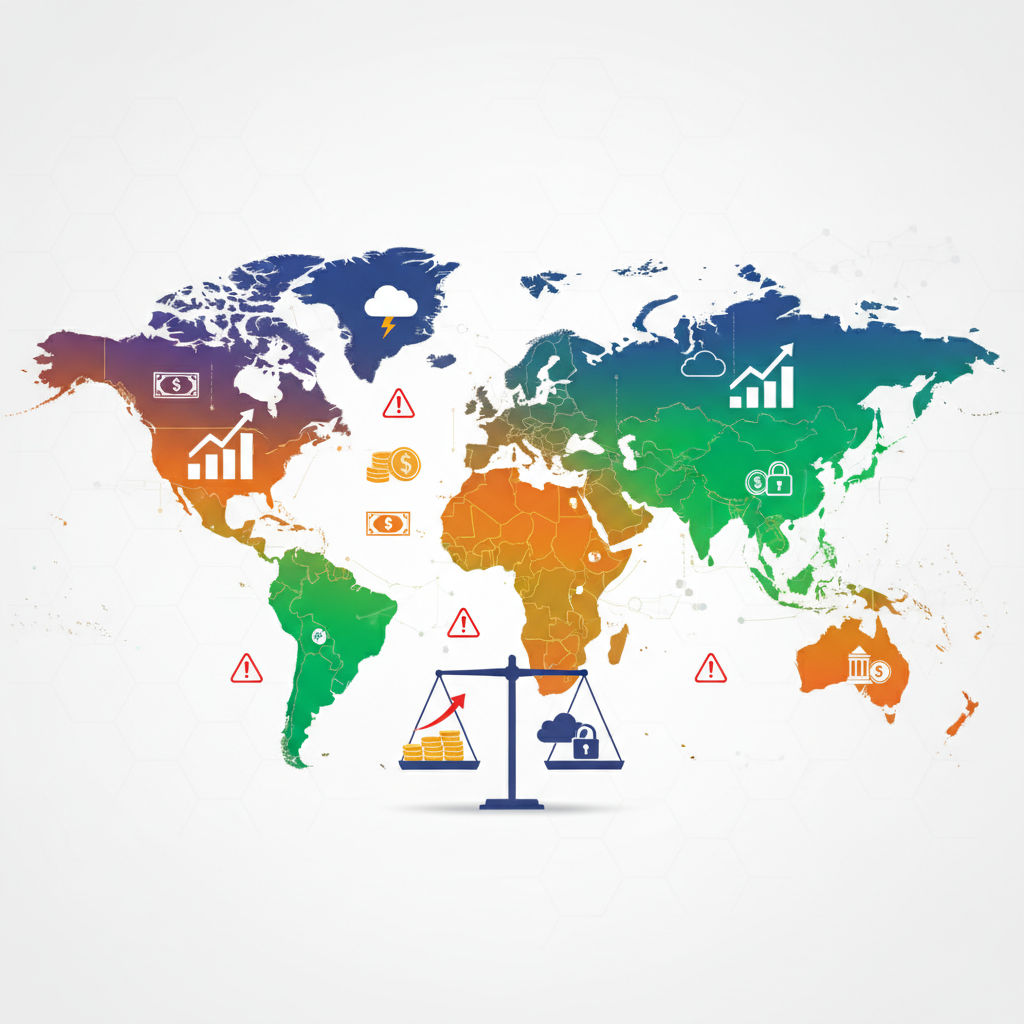
Key characteristics of emerging markets Emerging markets are characterized by their rapid economic growth, driven by industrialization and constant expansion of the productive sector. Furthermore, these markets have demographic dynamism, presenting young populations that generate significant consumption and talent potential. Economic growth and demographic dynamism Accelerated growth in [...]
Detailed comparison of the economic crises of 2008 and 2020: causes, impacts and key lessons

Comparison of the economic crises of 2008 and 2020 The economic crises of 2008 and 2020 mark two different moments with global impacts. Understanding their origins and characteristics allows us to draw lessons for the future. Both crises caused profound social and economic alterations, but they differ mainly due to their origin: one financial and the other health. Origin [...]
Concept, types, management and economic impact of public debt on fiscal stability
Concept and formation of public debt Public debt represents the financial obligations that a State contracts when requesting money to cover expenses when its income is not sufficient. It is mainly formed by the issuance of debt securities such as bonds and bills that investors acquire expecting future profitability. These securities generate [...]
Economic, social and technological impacts of international trade on sustainable global development
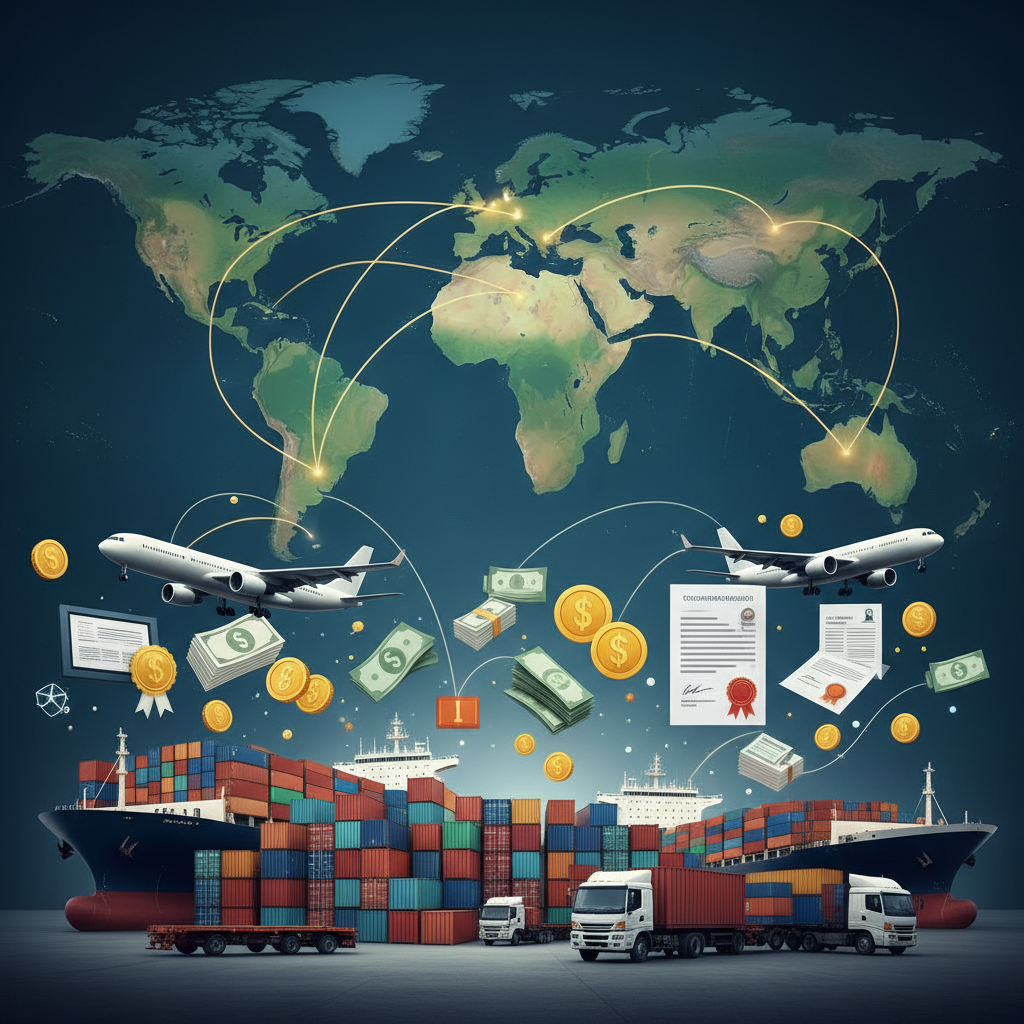
Fundamentals of international trade International trade allows countries to specialize in the production of goods where they have an advantage, optimizing resources and increasing global efficiency. This exchange consists of importing and exporting products that are not produced locally with the same efficiency. Thanks to this specialization, productivity is improved, [...] is reduced
Advantages, challenges and management of economic globalization in current international markets
Advantages of economic globalization Economic globalization integrates countries into international markets, facilitating the flow of capital, goods and services globally. This process drives economic growth, wealth generation and creates expansion opportunities for companies in new markets. In addition, it promotes investment diversification and commercial strengthening [...]
Phases and characteristics of the economic cycle: detailed expansion, boom, recession and recovery
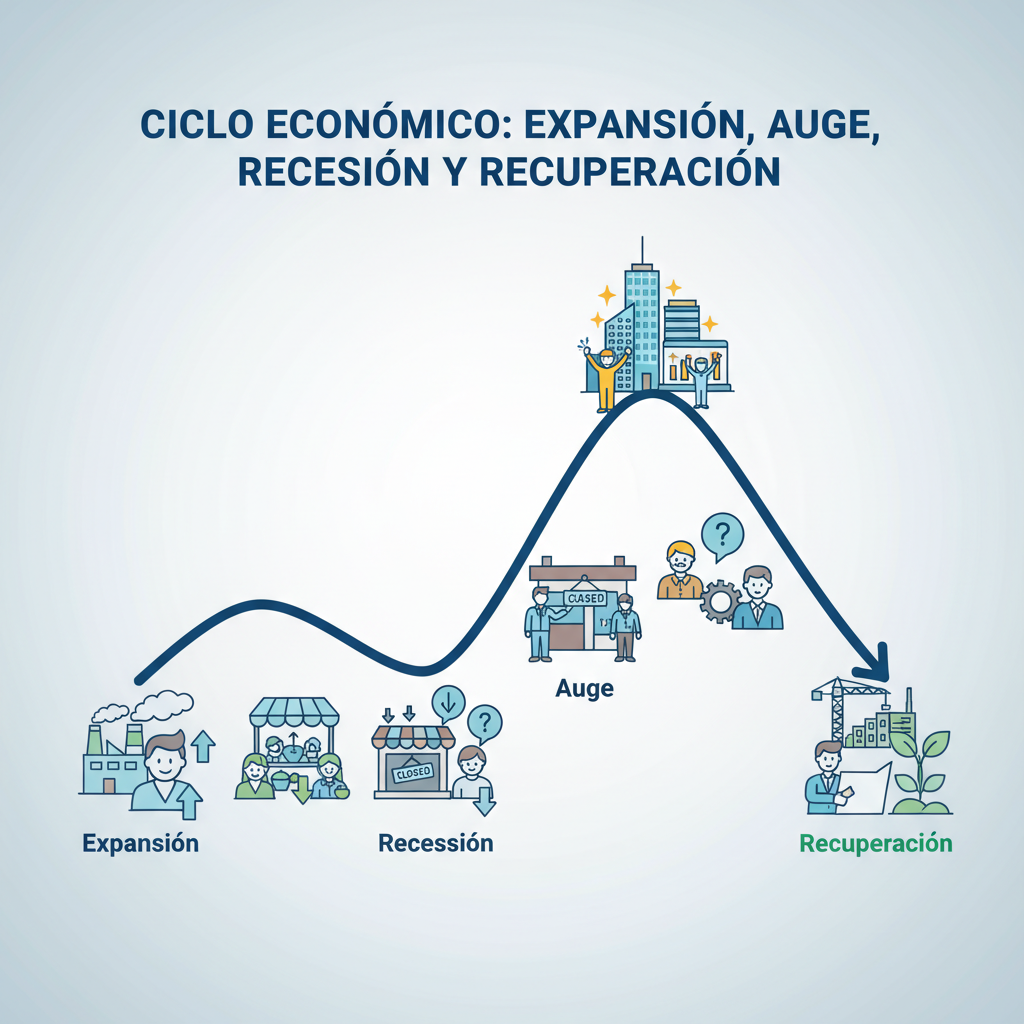
Phases of the business cycle The business cycle consists of four essential phases that reflect the dynamics of an economy over time. These phases indicate increases and falls in economic activity. Fluctuations in the economy affect production, employment and investment, and although their phases are recurrences, they do not always have the same [...]
Technological transformation and vocational training drive the Spanish labor market towards 2025
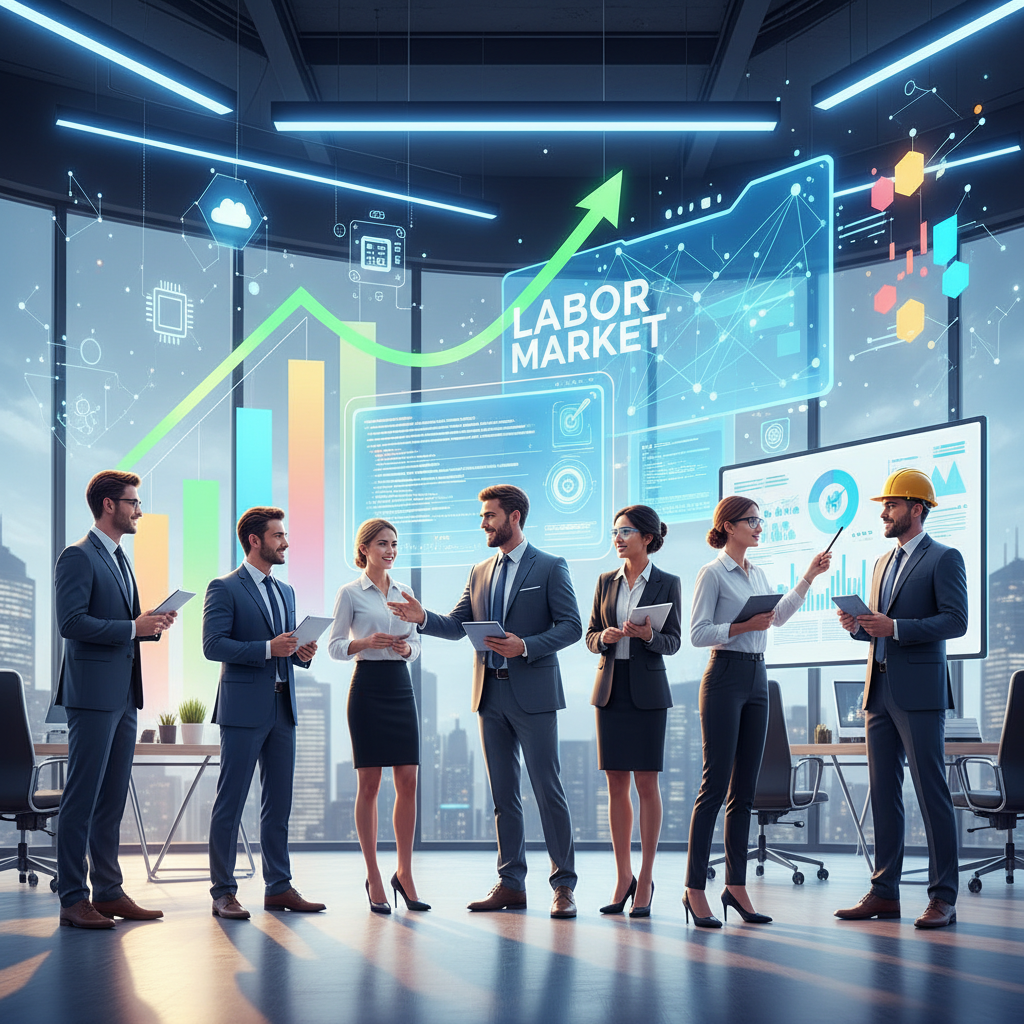
Transformation of the labor market in Spain The Spanish labor market is undergoing a profound transformation driven by technology and digitalization. These trends redefine employment demands and open new opportunities. Moderate growth in employment is observed, with a special interest in technological sectors. This requires trained professionals to face these challenges [...]
Comprehensive understanding of unemployment: types, causes, effects and policies for its effective mitigation

Definition and types of unemployment Unemployment is a condition where a part of the active population cannot find work, even if they are available to work. This situation affects both individuals and the general economy. Understanding unemployment implies knowing who is part of the active population, that is, who is working or looking for [...]
Functions and tools of central banks for economic stability and inflation control
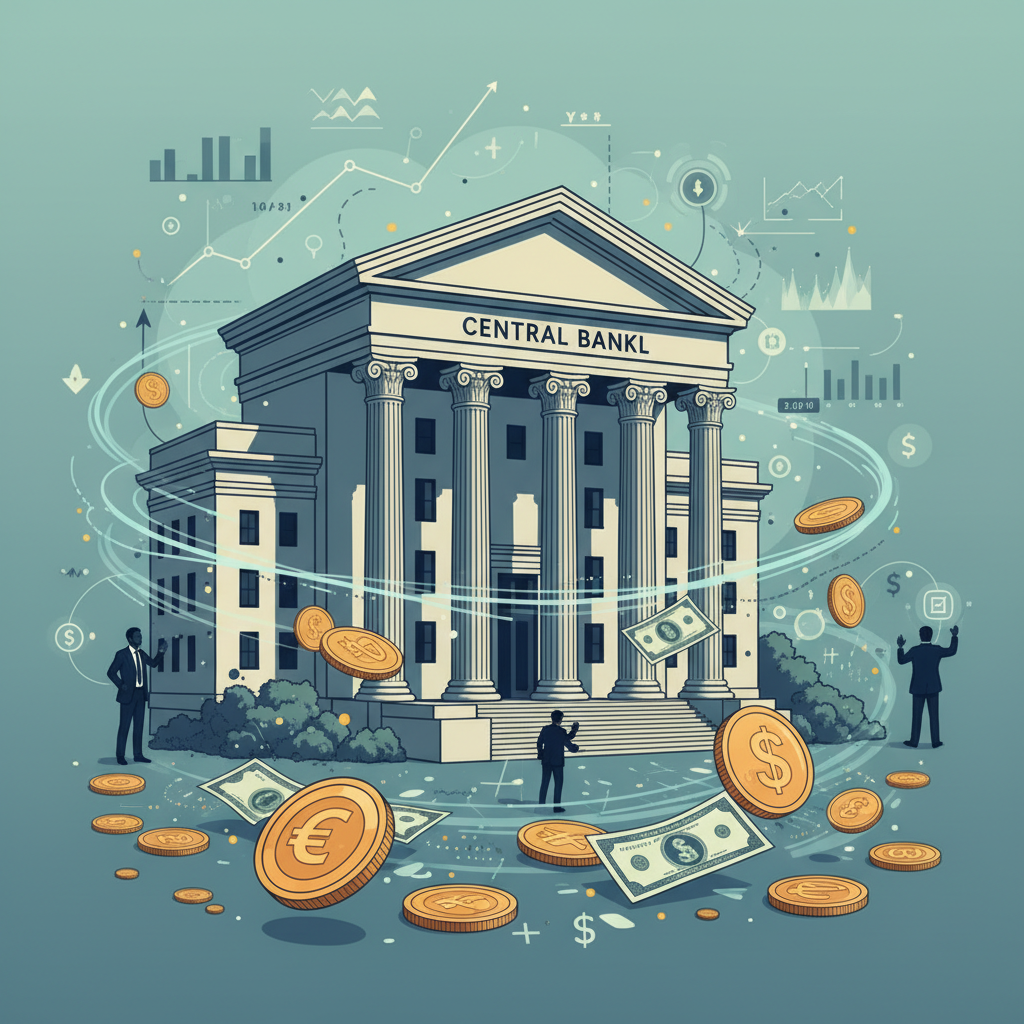
Basic functions of central banks Central banks are essential institutions that manage the national currency and ensure economic stability through monetary policy. Their main function is to maintain price stability and control inflation to foster a healthy economic environment. These bodies do not operate as commercial banks for the public, [...]
Fiscal control of the economy: taxes for stability, growth and sustainable social equity
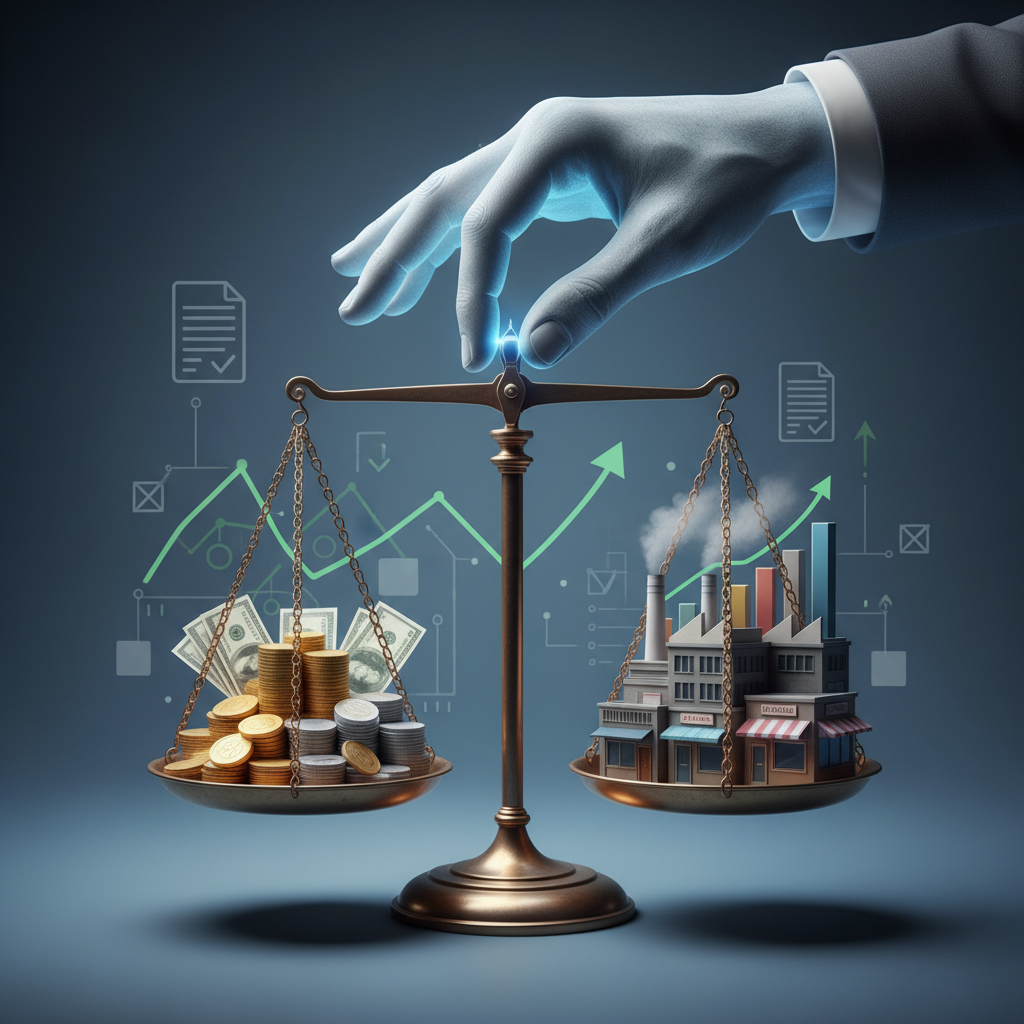
Using taxes to control the economy Taxes are a key fiscal policy tool that allows governments to influence the economy. Through them, aggregate demand is regulated and the economic cycle is sought to stabilize. Adjusting taxes makes it easier to stimulate or slow down economic activity as needed. [...]