
Dynamics of the real estate market: supply, demand, economic factors and environmental sustainability

How the real estate market works The real estate market is based on the interaction between the supply of properties and the demand of buyers or tenants. This dynamic defines changes in prices and availability. This system is very sensitive to economic, social and political factors that affect supply and demand, creating a balance [...]
Key metrics to evaluate economic growth, financial stability and social development in countries
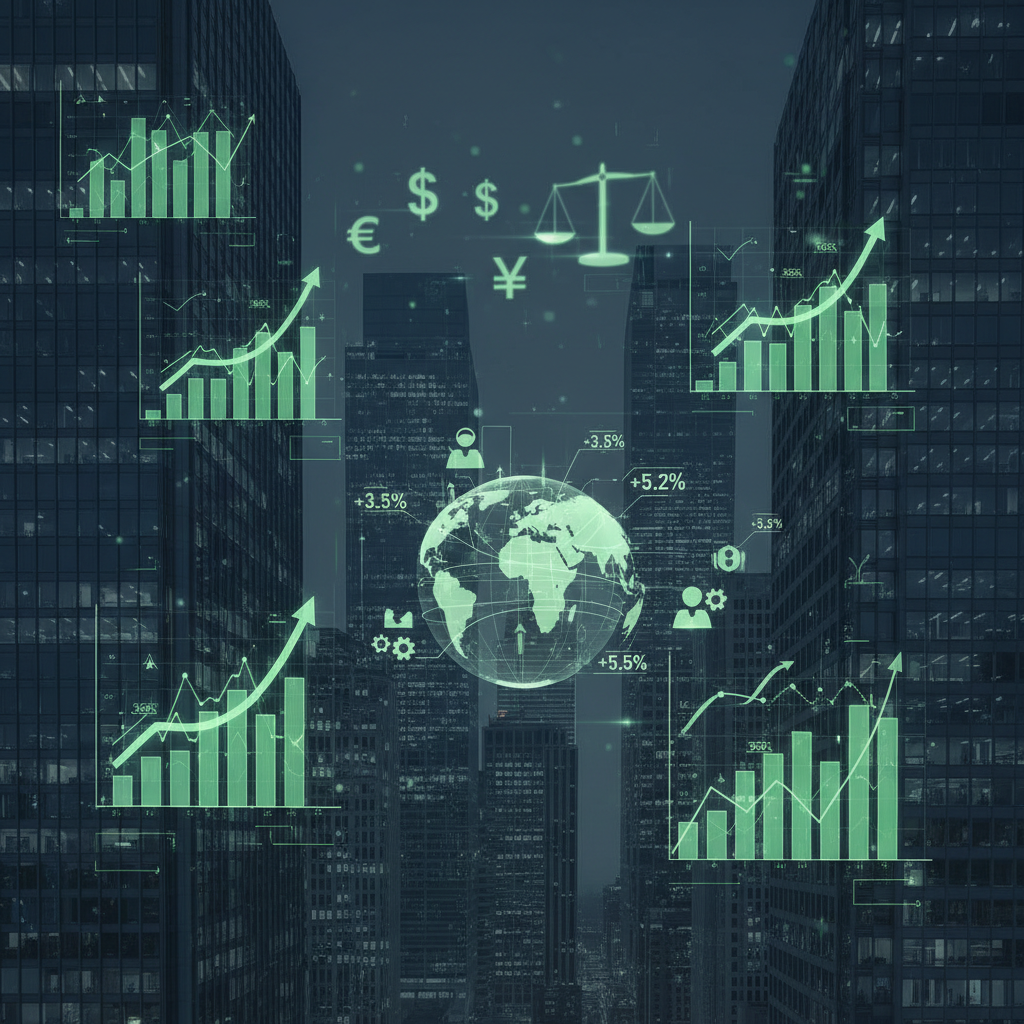
Key metrics to measure economic growth To understand the economic development of a country, it is essential to analyze certain key metrics that reflect its financial and productive situation. These metrics not only show the size of the economy, but also allow trends to be detected and compared with other countries. Among them, the Domestic Product stands out [...]
Green economy and ESG: strategies for sustainable development, environmental impact and responsible growth

Concept and objectives of the green economy The green economy is a model that combines economic growth with environmental conservation and social well-being. Its goal is to achieve sustainable development without sacrificing prosperity. It seeks to reduce negative environmental impact, such as emissions and overexploitation, through clean technologies and [...]
Structure and functions of the global financial system for global economic stability and development
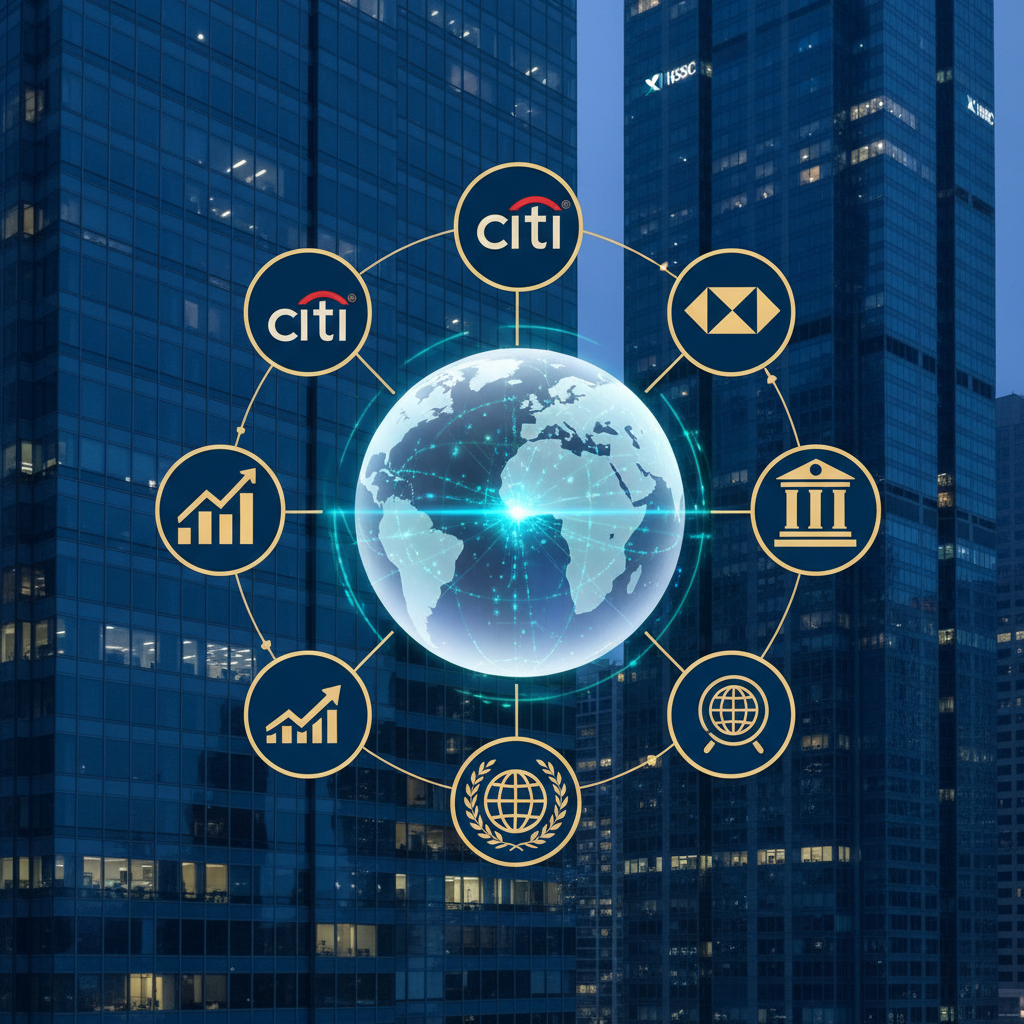
Global financial system and its structure The global financial system is a complex network that connects markets, institutions and countries, facilitating the circulation of capital worldwide. This network ensures monetary stability, promotes economic development and sustains international trade through an organized and regulated structure. Its structure is made up of banks, [...]
Impact and challenges of the informal economy in Latin America in the face of state and labor regulation

Definition and characteristics of the informal economy The informal economy encompasses economic activities not regulated or registered by the State, which places them outside fiscal and labor control. These activities usually do not have social protection. This sector includes jobs such as undeclared domestic employment, street vending without a license, workshops [...]
Importance of national savings for productive investment, financial stability and sustainable economic growth
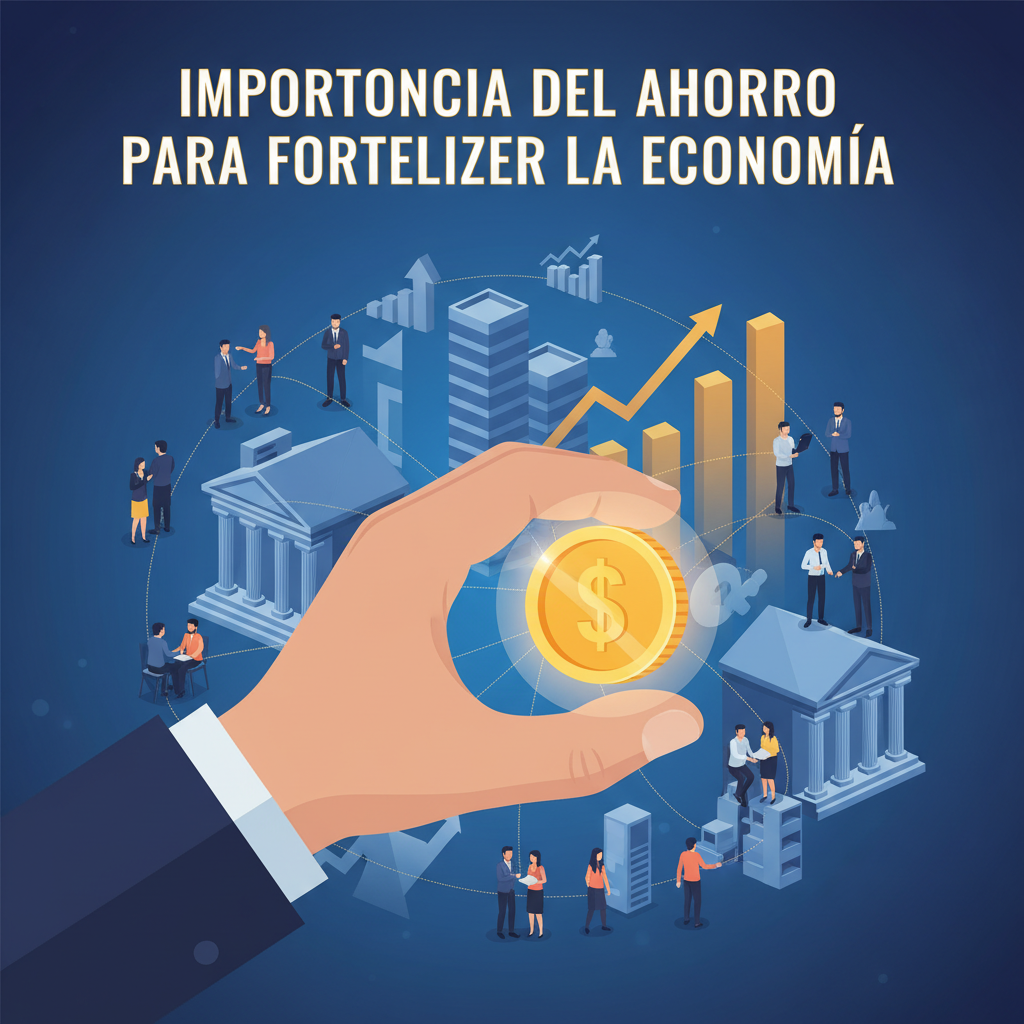
Fundamentals of national savings National savings represent the accumulation of financial resources within a country, essential to finance development and economic growth projects. It is the basis that allows productive investment to be sustained without depending on external debt. This savings strengthens productive capacity, promotes job creation and improves competitiveness [...]
Education to spend better: responsible consumption that drives economy, environment and sustainable community

Fundamentals of education to spend better Education to spend better is essential to promote responsible consumption that positively impacts the economy and the environment. Teaches consumers to make informed decisions. This learning focuses on distinguishing between needs and wants, facilitating behavior that minimizes unnecessary consumption. [...]
Relationship between productivity and economic growth: impact on wages and sustainable development
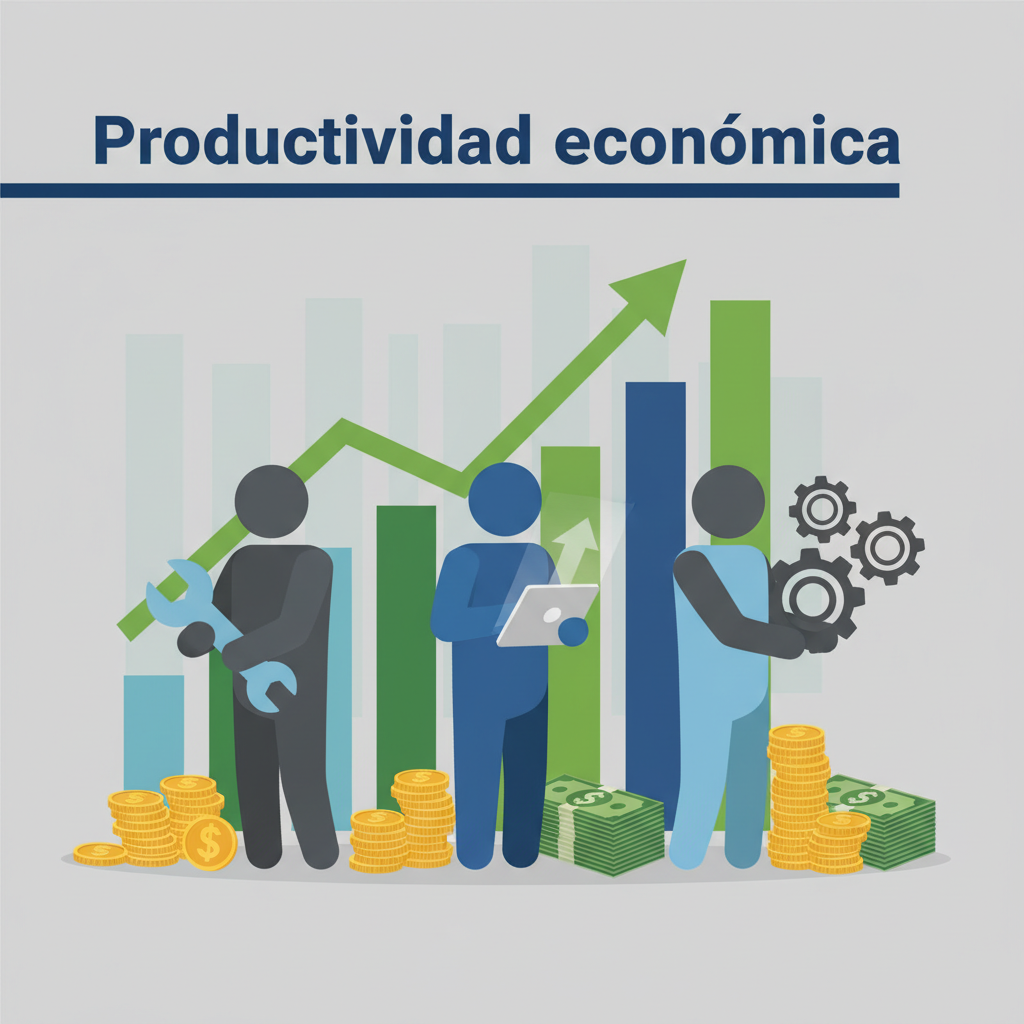
Relationship between productivity and economic growth Economic productivity is crucial for growth as it measures the quantity of goods and services produced with available resources. An increase in productivity means producing more with the same inputs, which drives efficiency and overall economic growth. Definition and measurement of the [...]
Key causes, impacts and proposals to reduce economic inequality and promote social justice

Main causes of economic inequality Economic inequality arises from an imbalance in the distribution of income and wealth between different social groups. This phenomenon affects the quality of life of many people and limits opportunities to achieve equitable development in society. Identifying the causes is key to implementing effective solutions that [...]
Impact of technology on financial transformation: digitalization, AI, blockchain and digital inclusion

Impact of technology on financial transformation Technology has revolutionized the financial sector, radically modifying the way we manage resources and access services. This change has improved efficiency and user experience. Digitalization and technological advancement have created a new paradigm, where speed, accessibility and personalization win [...]