Fundamentals of national savings
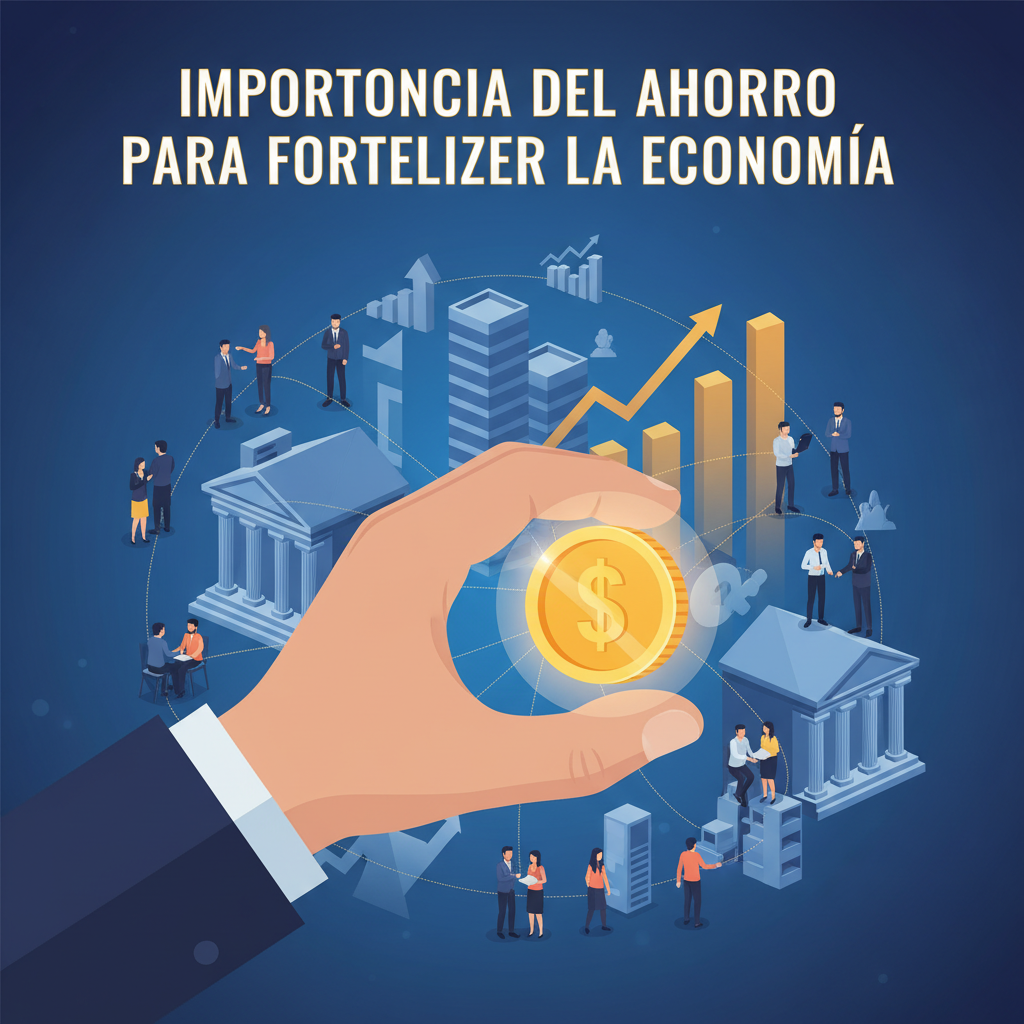
The national savings it represents the accumulation of financial resources within a country, essential to finance development and economic growth projects. It is the basis that allows productive investment to be sustained without depending on external debt.
This savings strengthens productive capacity, encourages job creation and improves the country's competitiveness through the adequate channeling of resources towards innovation, infrastructure and business expansion.
Definition and function of national savings
National savings are the part of income that is not consumed and reserved to finance investments that boost the economy. Its main function is to guarantee the availability of capital for productive projects and sustainable development.
In addition, it acts as a mechanism for financial stability, reducing dependence on external sources and strengthening the confidence of local and international investors.
Adequate savings contribute to creating a positive cycle where the increase in internal resources translates into greater investment, employment and social well-being, thus being a fundamental driver for economic progress.
Relationship between savings and productive investment
National savings are the main financier of productive investment, which includes infrastructure, technology and business capacity. Without sufficient savings, investment is limited, affecting growth.
Productive investment generates employment and improves competitiveness, closing the cycle where greater savings translate into long-term sustainable economic benefits for the entire country.
Interesting fact
Countries with high savings rates tend to have a greater capacity to face economic crises and maintain more stable development thanks to continuous domestic investment.
Impact of savings on the economy
The national savings it is crucial for economic growth, since it allows financing investments that generate employment and improve productivity. Without this savings, it limits economic development.
An adequate level of savings helps maintain financial stability and increase investor confidence, essential elements for long-term economic sustainability.
Job generation and economic growth
National savings finance productive projects that create new jobs, essential to reduce unemployment and increase family income. This drives the growth of the domestic market.
Furthermore, the investment derived from savings improves infrastructure and technology, increasing the productivity and competitiveness of companies, which boosts the economy in general.
Financial stability and investor confidence
High savings contribute to financial stability because it reduces the need for external debt, reducing risks and costs associated with international economic crises.
This stability creates a favorable environment for investors, who trust in a safer and more predictable market, encouraging greater investments and sustainable development.
The combination of internal savings and investor confidence allows a virtuous cycle, where economic growth is reinforced with more resources and stability.
Reduction of dependence on external debt
National savings make it possible to finance investments without resorting to external loans, which reduces economic vulnerability to fluctuations in international markets and exchange rates.
Reducing dependence on external debt also improves economic sovereignty, avoids high financial costs and strengthens the country's capacity to face global crises.
Consequences of low savings rates
Low savings rates limit the accumulation of capital necessary to finance long-term projects. This negatively affects the country's investment capacity and economic expansion.
Without sufficient domestic resources, there is more dependence on external debt, which can increase financial vulnerability and the risks associated with global economic crises.
Limitations for long-term investment
When national savings are low, the availability of funds for infrastructure and innovation investments decreases. This delays technological and productive development.
Long-term investment is essential for sustainable growth, and its limitation reduces the country's competitiveness and the ability to generate quality jobs.
Furthermore, prolonged lack of investment can lead to deficiencies in public and private services, affecting quality of life and social well-being.
Delay in economic development and quality of life
Insufficient savings slow economic growth, making it difficult to create adequate infrastructure and improve education and public health.
This delay directly impacts the quality of life of the population, limiting access to basic services and opportunities for social well-being.
Therefore, promoting savings is key to achieving inclusive and sustainable economic development, which benefits all social strata of the country.
Strategies to promote savings
Promoting national savings requires the implementation of strategies that promote a solid financial culture in the population, encouraging the accumulation of resources and economic planning. It is essential to raise awareness about the importance of reserving income for future investments.
Public policies and collaboration between sectors are key to improving savings habits, facilitating access to financial instruments and creating a favorable environment for trust and economic stability.
Promotion of savings habits in the population
Educating the population in personal finances is essential to build sustainable savings habits. Educational programs can instruct on the importance of planning expenses and reserving part of the income for the future.
In addition, encouraging the use of savings accounts and accessible financial products encourages the common practice of saving, which helps families face unforeseen events and contribute to national savings.
Communication and support campaigns in vulnerable communities can generate cultural change, where savings are seen as a key tool to improve quality of life and economic stability.
Role of the public and private sectors in national savings
The public sector must design fiscal and monetary policies that encourage savings, such as tax benefits, and facilitate access to safe and profitable financial instruments for citizens.
For its part, the private sector can offer innovative and transparent savings products that motivate clients to reserve resources, in addition to promoting social responsibility programs focused on financial education.
Cooperation between both sectors strengthens the financial system and increases trust in institutions, creating an environment conducive to the accumulation of internal capital that boosts the economy.