Use of taxes to control the economy
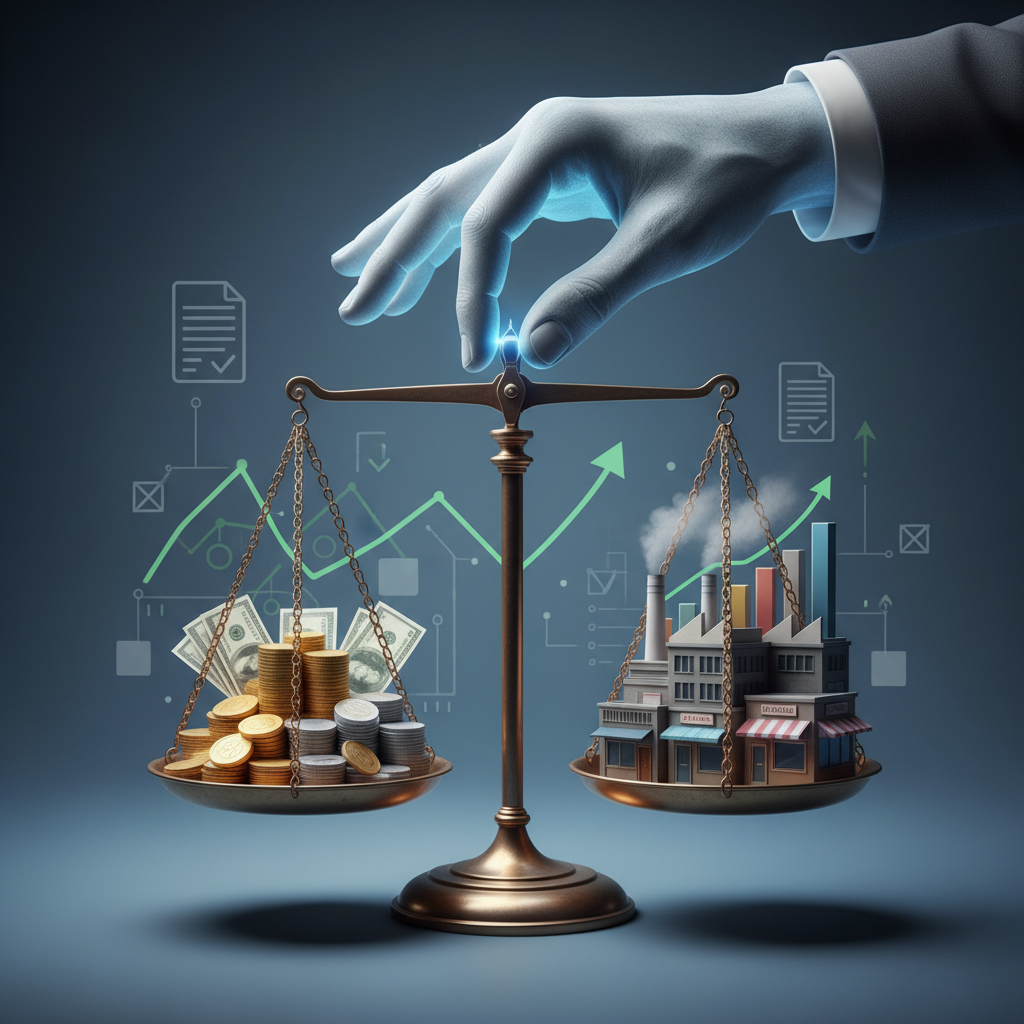
The taxes they are a key tool of fiscal policy that allows governments to influence the economy. Through them, the aggregate demand and it seeks to stabilize the economic cycle.
Adjusting taxes makes it easier to stimulate or slow down economic activity according to needs. Thus, taxes act as a mechanism to maintain the balance between production, employment and prices.
In this way, tax control is essential to face fluctuations in the economy and promote a stable and sustainable environment.
Taxes as a fiscal policy tool
Taxes allow governments to directly influence the economy by modifying disposable income. By increasing or decreasing taxes, consumption and investment can be controlled.
As part of fiscal policy, taxes not only finance public spending, but also serve to adjust economic activity and promote macroeconomic stability.
Thus, taxes are an effective instrument for the State to act on key variables such as inflation and unemployment, coordinating general economic health.
Adjustment of tax levels according to economic cycle
During recessions, it is common to reduce taxes to increase disposable income and stimulate consumption and investment. This helps reactivate the economy and create jobs.
On the other hand, in phases of inflation or overheating, increasing taxes contributes to reducing spending and cooling the economy, avoiding uncontrolled price growth.
This dynamic adjustment allows maintaining the balance necessary for sustainable economic development and market stability.
Impact of taxes on demand and economic activity
Taxes play a crucial role in modulating the aggregate demand, thus affecting production and employment in the economy. Its adjustment seeks to stabilize economic activity.
Proper management of tax levels allows governments to stimulate activity in times of recession and control it during periods of inflation, guaranteeing economic balance.
Therefore, taxes are a dynamic tool that directly influences macroeconomic health, impacting consumption, investment and price stability.
Tax reduction in recession
During a recession, tax cuts increase disposable income for consumers and businesses. This promotes greater consumption and favors productive investment.
By increasing private spending, aggregate demand is stimulated, which in turn motivates production and reduces unemployment. Thus, lower taxes act as an economic stimulus.
This policy seeks to alleviate economic contraction and accelerate recovery, allowing the economy to resume its growth cycle more quickly and sustainably.
Tax increases in periods of inflation
In times of inflation, raising taxes reduces disposable income, limiting overspending and decreasing pressure on prices. This helps chill the economy.
This restrictive measure seeks to control aggregate demand to avoid overheating and stabilize the general price level, protecting the purchasing power of the population.
The tax increase is a strategy to contain inflation, thus promoting favorable conditions for balanced economic growth.
Balance of production, employment and prices
The strategic use of taxes contributes to maintaining the balance between production, employment and price levels in the economy. This is essential for macroeconomic stability.
By timely adjustment of the tax burden, both high unemployment and uncontrolled inflation are avoided, creating an environment conducive to sustainable development.
Thus, taxes act as key tools to harmonize the objectives of economic growth and social stability, guaranteeing general well-being.
Redistributive function of fiscal policy
Fiscal policy plays an important role in the redistribution of income through the tax system. This mechanism helps reduce economic inequalities between different social groups.
Through progressive taxes, where those with higher incomes contribute more, a more equitable distribution is generated. This strengthens social cohesion and inclusive development.
Furthermore, fiscal policy makes it possible to raise funds necessary to finance essential public services, benefiting the entire population and promoting equal opportunities.
Distribution of income and financing of public services
The tax system is designed to raise resources according to the payment capacity of each taxpayer, facilitating a fair distribution of income. This benefits vulnerable sectors.
Tax revenues are used to finance public services such as education, health and infrastructure, essential to improve the quality of life and promote social development.
This redistributive function contributes to reducing poverty and exclusion, generating a virtuous circle that drives more stable and equitable economic growth.
Objectives and effects of fiscal policy
Fiscal policy seeks to promote sustainable economic growth that improves the quality of life and generates long-term employment. Taxes are a key instrument to achieve these objectives.
Furthermore, this policy makes it easier to maintain macroeconomic stability and promote equitable income distribution, reducing inequalities and promoting social cohesion.
The proper management of public income and expenses directly influences variables such as inflation, unemployment and economic development, ensuring an effective balance in the economy.
Promotion of sustainable economic growth
Fiscal policy promotes productive investment and innovation through tax incentives, thus facilitating sustained and environmentally friendly economic growth.
An efficient fiscal structure supports strategic sectors and favors the creation of stable employment, promoting economic development without generating unsustainable deficits.
Fiscal stimulus can improve public infrastructure and services, creating a favorable environment for long-term economic progress.
Macroeconomic stability and social equity
Fiscal policy contributes to economic stability by controlling inflation and reducing market volatility through adjustments in public revenue and spending.
Additionally, through progressive tax systems, social justice is promoted, redistributing income and financing essential services that benefit all citizens.
This balance between stability and equity strengthens social cohesion and fosters an environment conducive to sustainable development and collective well-being.