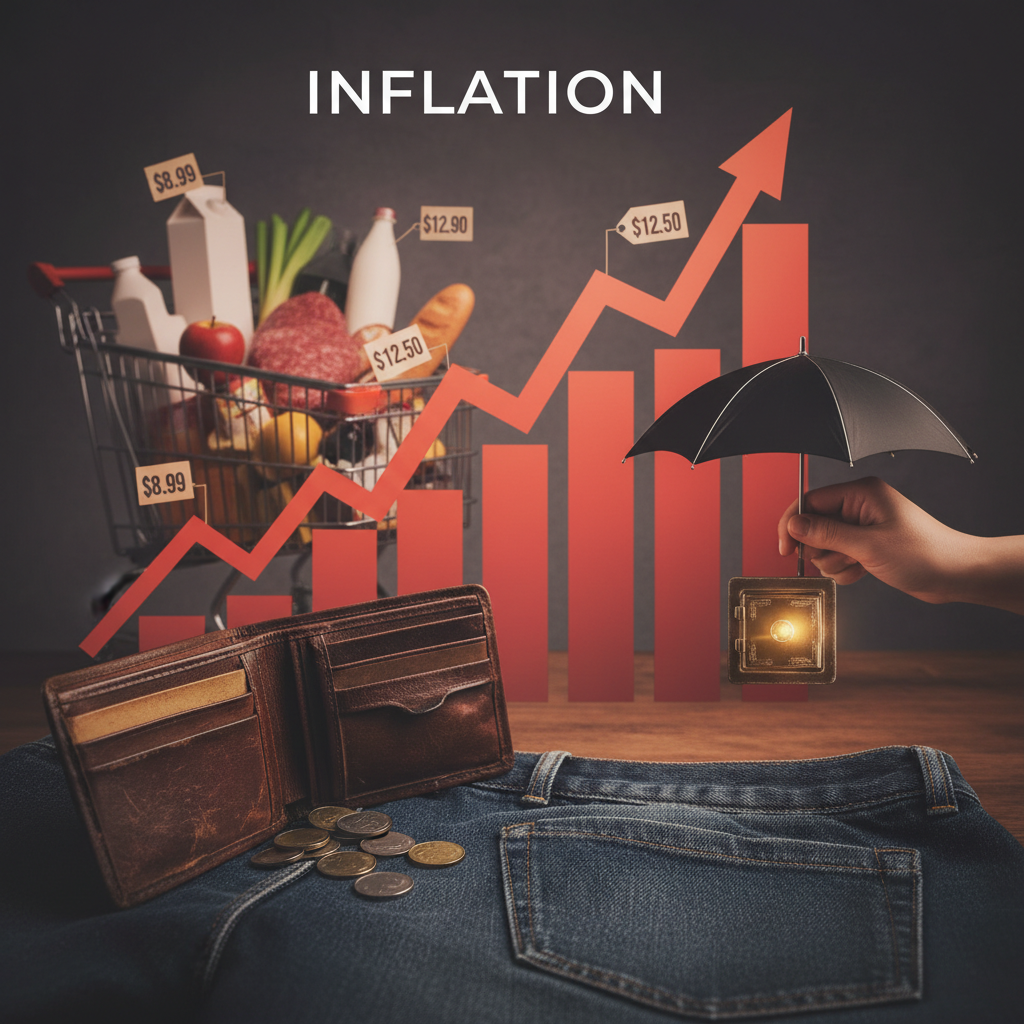
Definition and causes of inflation
The inflation it is defined as the sustained and generalized increase in the prices of goods and services in an economy during a certain time. This causes money to lose value.
When there is inflation, purchasing power decreases, because with the same amount of money you can buy less than before. This directly affects people's daily economy.
What is inflation?
Inflation represents the progressive loss of the value of money as the prices of products and services rise. This decreases the real purchasing capacity of consumers.
A clear example is when the price of a kilogram of tortillas increases, reflecting that the same amount is no longer enough to buy the same as before, affecting daily life.
This phenomenon affects both individuals and companies, causing changes in consumption, savings and investment, and requires constant adaptation to maintain financial stability.
Factors that cause inflation
Inflation can be caused by various factors, including an increase in the cost of production, excessive demand or increases in the monetary supply available in the economy.
When demand exceeds supply, prices rise, generating inflation. It can also arise from expansive monetary policies that increase the circulation of money without productive support.
Other causes include external shocks such as increases in international prices or conflicts that make basic inputs more expensive, contributing to persistent inflation that is difficult to control.
Impact of inflation on the pocket
The inflation it directly affects people's pockets by reducing their purchasing capacity. This occurs because the prices of goods and services rise, but income does not always grow at the same rate.
People with fixed incomes or no salary adjustment suffer more, since their money yields less and they must spend more to maintain their standard of living. This puts pressure on the family budget.
Decrease in purchasing power
Purchasing power decreases when inflation increases, because with the same amount of money you can now buy fewer products or services than before. This generates a feeling of economic loss.
For example, if a product cost 100 pesos last year and now costs 115, the money loses value. Consumers must allocate more resources to purchase the same thing, affecting their quality of life.
This reduction in purchasing power especially impacts those who have salaries or incomes that do not automatically adjust to inflation, causing difficulties in covering basic needs.
Consequences for income and savings
Inflation erodes real income, that is, the money people receive is worth less and is enough for fewer things, making the personal or family budget difficult.
In addition, it makes savings difficult, since the money saved loses value over time if it is not invested in instruments that exceed inflation. This can affect medium and long-term financial goals.
Those who cannot adjust their income or protect their savings would be left in a vulnerable economic situation, facing problems purchasing, saving and covering emergencies.
Inequality and economic stability
Inflation can increase the economic inequality because it affects lower-income households more, which have less room to adjust expenses or protect their finances.
This generates greater social and economic instability, since pressure on the most vulnerable can increase, hindering the cohesion and sustained development of the country.
On the other hand, persistent inflation generates financial uncertainty, affecting investments, consumption and confidence in the system, which negatively impacts general economic stability.
Strategies to protect yourself from inflation
To confront inflation, it is essential to implement strategies that protect purchasing power and maintain personal financial stability. This implies active money management.
By adjusting the budget, choosing appropriate investments, and controlling debt, people can reduce the negative impact of inflation and maintain their long-term economic well-being.
Budget adjustment and spending priorities
It is essential to review and modify the personal or family budget focusing on priority expenses, such as food, housing and health, to avoid financial imbalances.
Reducing superfluous expenses and controlling consumption allows us to face price increases without compromising daily economic stability. This adjustment strengthens money management.
Additionally, prioritizing spending helps better distribute limited resources in times of inflation, ensuring that essential services and products are covered first.
Investments to overcome inflation
Investing in instruments that generate returns above inflation is key to preserving and increasing capital in the face of the general increase in prices in the economy.
Options such as index bonds, stocks or real estate often offer protection against the loss of value of money and are recommended for those who want to maintain their purchasing power.
It is important to be well informed and diversify investments to reduce risks and achieve better profitability that covers the inflationary impact on wealth.
Debt management and emergency savings
Controlling debts, especially those with variable or high interest, is vital to prevent financial costs from increasing during inflationary periods.
Likewise, having an emergency fund helps to face unforeseen events without resorting to expensive loans, maintaining personal economic stability in difficult times.
Responsible management of financial obligations and savings strengthens resistance to inflation, reducing vulnerability to unexpected economic changes.
Importance of financial management in the face of inflation
Managing personal finances carefully is essential to deal with the effects of inflation, which reduces the real value of money.
Good administration allows you to maintain control over expenses, income and savings, minimizing the impact of the general increase in prices.
Thus, assets are protected and a better quality of life is ensured against the loss of purchasing power generated by inflation.
Preserve purchasing power
Effective financial management helps preserve purchasing power, adjusting expenses and seeking investment options that exceed inflation.
This involves regularly evaluating the budget and preventing money from losing stored value without return, ensuring that resources maintain their purchasing power.
This can mitigate money erosion and ensure that income remains useful to meet needs and goals.
Maintain personal economic well-being
Good financial planning helps maintain economic well-being, avoiding stress and difficulties caused by inflation.
Controlling debts, having an emergency fund and establishing spending priorities ensure stability and preparation for unforeseen events.
Consequently, financial health is preserved and a safer life is promoted, with less vulnerability to economic changes.