Concept and function of the metaverse
The metaverse it is an immersive virtual space that allows users to interact, socialize and carry out activities in three-dimensional environments that exceed physical reality.
This digital environment creates new forms of communication and commerce, offering a platform where the virtual and the real converge to generate innovative and dynamic experiences.
Definition and characteristics of the metaverse
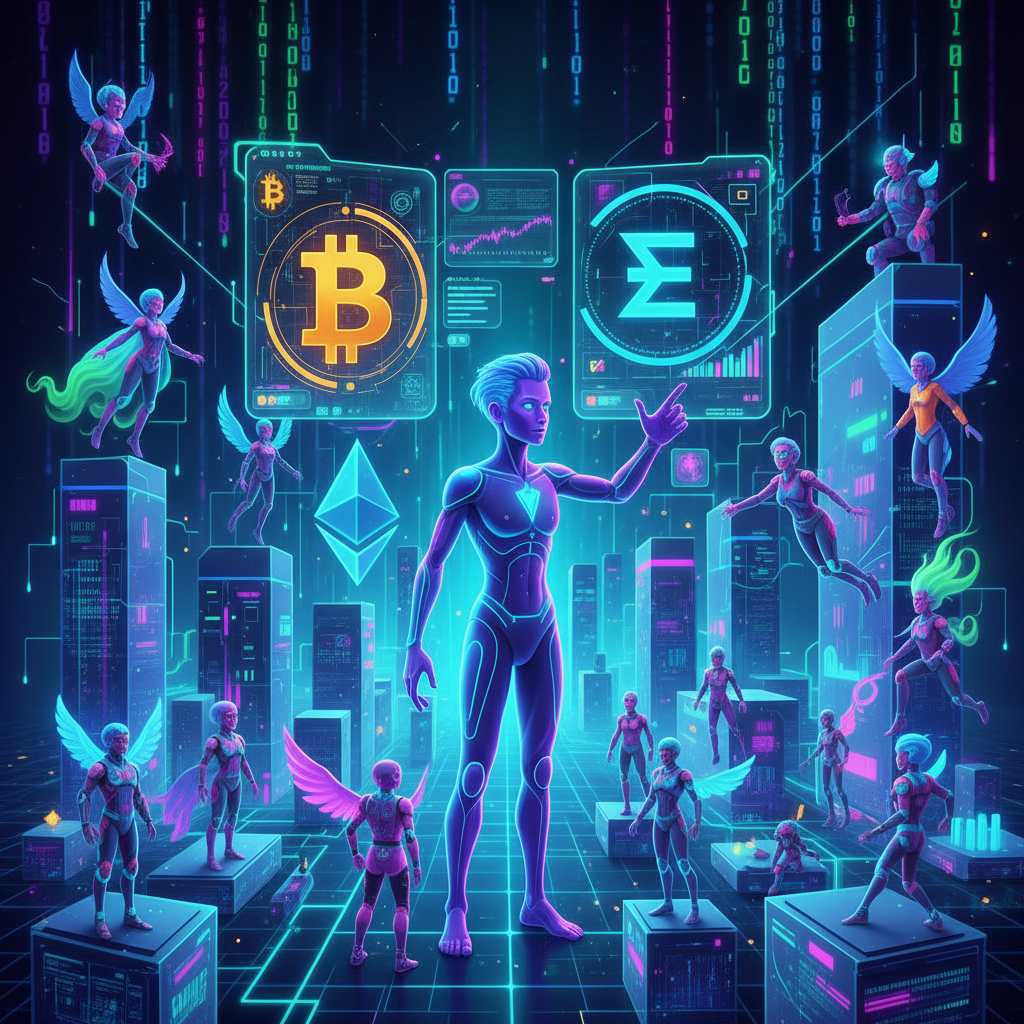
The metaverse is a continuous digital universe where people participate through avatars, facilitating social, work and economic interactions in a shared 3D space.
It is characterized by its immersive nature, interoperability between platforms and the possibility of creating, owning and trading unique and decentralized virtual assets.
Its development is based on advanced technologies such as virtual reality, augmented reality and blockchain, which guarantee security, transparency and authenticity in each experience.
Social and economic applications in the metaverse
Socially, the metaverse allows users to connect globally, sharing events, creating communities and experiencing new modes of digital interaction.
In the economic field, it facilitates the trading of digital goods, virtual services and the carrying out of secure transactions through cryptocurrencies and smart contracts.
These applications transform the way people relate, work and generate value, driving a new digital economy based on decentralization and innovation.
Role of cryptocurrencies in the metaverse
The cryptocurrencies they are essential within the metaverse as native payment methods that facilitate secure and decentralized transactions.
Its use allows digital goods and services to be exchanged efficiently, promoting a dynamic and transparent virtual economy.
Payment methods and trading with cryptocurrencies
Within the metaverse, cryptocurrencies function as digital currencies to purchase land, art or experiences, simplifying virtual commerce.
Platforms like Decentraland use specific currencies, adapted to facilitate exchanges and grant autonomy to users in a decentralized environment.
This system eliminates intermediaries, reduces costs and ensures that each transaction is secure and verifiable thanks to blockchain technology.
Use of non-fungible tokens (NFTs) for digital property
The NFTs they guarantee exclusive ownership of digital assets, such as works of art or avatars, that exist only in the virtual space.
These tokens allow users to buy, sell and own unique goods, driving the market for digital collectibles and personalized experiences.
The authenticity and history of each NFT are recorded on the blockchain, ensuring transparency and protection against forgery or copying.
Blockchain technology as transaction support
The blockchain is the basis that ensures the integrity and security of transactions within the metaverse, recording each operation immutably.
In addition, it allows you to create smart contracts that automate processes such as rentals, auctions or rights, eliminating intermediaries and streamlining operations.
This decentralized technology strengthens user trust, facilitating a more transparent and reliable digital economic experience.
Synergies between virtual worlds and digital assets
The relationship between him metaverse and digital assets foster a new ecosystem where both empower each other, creating enriched experiences.
This synergy allows virtual environments to adopt technologies such as blockchain to guarantee autonomy, security and transparency in each digital interaction.
Automation and smart contracts
The smart contracts they allow processes within the metaverse to be automated, facilitating actions such as payments, rentals or transfers without intermediaries.
Thanks to these contracts, transactions are instantaneous and secure, eliminating risks and human errors in complex operations within virtual worlds.
Automation improves efficiency, giving users greater control over their assets and negotiations in real time without depending on third parties.
Promotion of the web3 and decentralized economy
The integration of digital assets and metaverses is driving the evolution towards web3, which promotes the decentralization and control of data by users.
This new digital economy reinforces models where ownership and decisions are distributed, promoting more participatory communities with financial autonomy.
Future implications and digital transformation
The metaverse and cryptocurrencies are driving one digital transformation profound, generating unprecedented economic and social changes in the digital age.
These innovations open a range of opportunities that redefine the way people interact, work and create value in virtual environments.
New economic and social opportunities
The integration of the metaverse with digital assets creates spaces for entrepreneurship, remote work and socialization in a globalized and decentralized context.
Users access new ways to generate revenue through digital commerce, interactive entertainment and virtual events with unlimited reach.
Additionally, digital inclusion is encouraged by allowing people from diverse geographies to actively participate in these emerging economies.
Redefining ownership and value in the digital age
Digital ownership, guaranteed by NFTs and blockchain, is transforming traditional concepts, giving rise to intangible but valuable and unique goods.
This revolution allows one assessment fairer and more transparent, where authenticity and rarity determine the value of virtual assets.
A permanent change in the perception of the asset
Decentralization eliminates intermediaries, increasing user control over their property and promoting a more participatory and collaborative economy.
This phenomenon drives us to redefine money, rights and property, establishing new foundations for trust and exchange in the digital society.