Concept and characteristics of NFTs
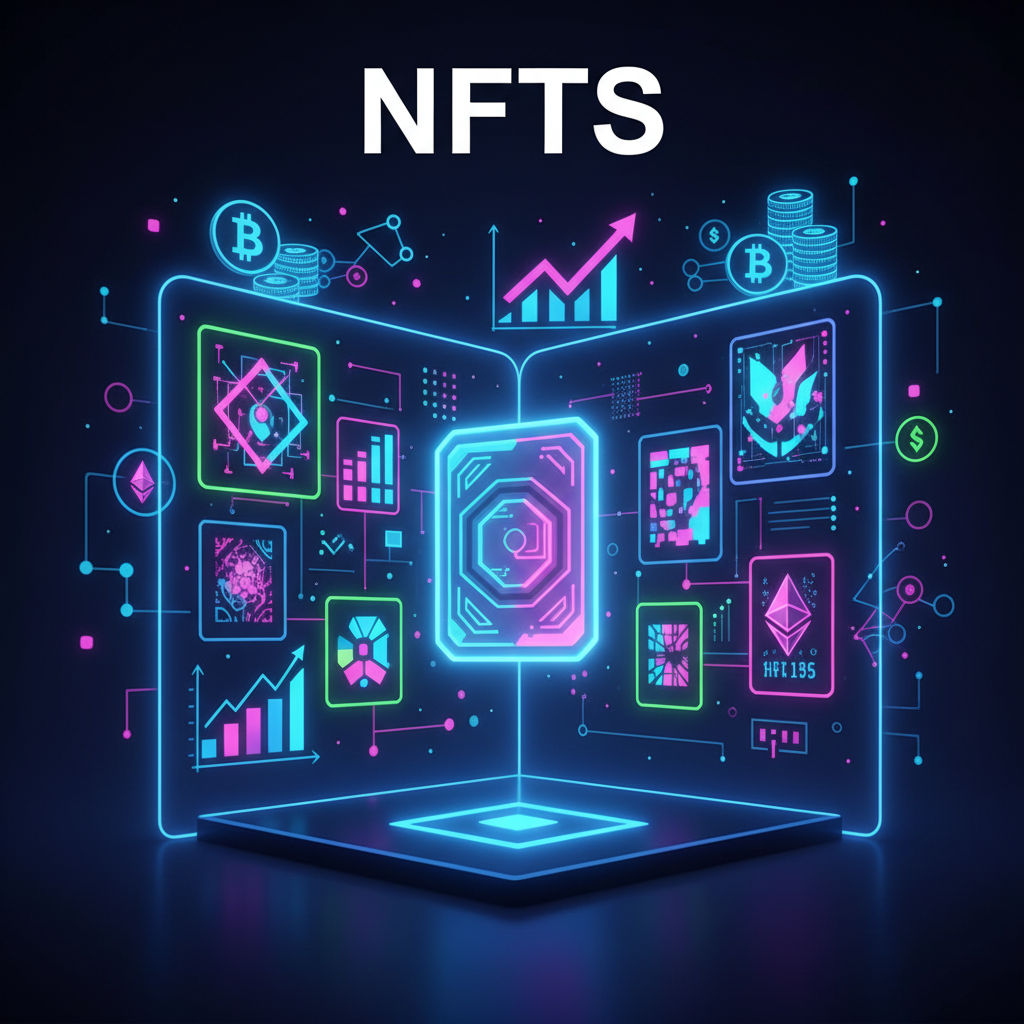
NFTs are unique digital assets that certify ownership through blockchain technology, highlighting their indivisible nature.
Unlike fungible cryptocurrencies, each NFT is unrepeatable and represents an exclusive digital or physical asset.
This allows the authenticity and uniqueness of works, digital elements and other tokenized assets to be guaranteed.
Definition and unique nature of non-fungible tokens
Non-fungible tokens, known as NFTs, are digital assets that have unique and non-exchangeable characteristics.
This differentiates them from conventional cryptocurrencies, since an NFT cannot be replaced by an identical one.
This unique nature allows them to be used to represent digital or physical goods with singular and exclusive value.
Properties guaranteed by blockchain technology
Blockchain technology ensures the uniqueness, scarcity and indivisibility of NFTs, guaranteeing their authenticity.
In addition, it allows the property to be registered and transferred safely and transparently without the risk of counterfeiting.
These properties make NFTs reliable to certify the possession and exclusivity of each digital asset.
Applications and examples of NFTs
NFTs enable the digital representation of both virtual and physical assets, creating new opportunities for ownership in the digital world.
Their ability to certify uniqueness makes them ideal for multiple industries, from art to tokenized and collectible physical goods.
The use of NFTs opens the door to the transformation of traditional markets towards more secure and innovative digital platforms.
Representation of digital and physical assets
NFTs can represent digital elements such as images, videos, music or even physical assets such as real estate or clothing.
This digital representation allows the ownership and authenticity of tangible assets to be certified through unique tokens on the blockchain.
Thus, any asset can be tokenized to facilitate its trading, tracking and secure transfer in digital environments.
Uses in digital art, video games and metaverses
In digital art, NFTs provide creators with a way to sell works with verified authenticity and automatic royalties.
In video games, NFTs represent exclusive objects, characters, or terrain that players can buy, sell, or trade.
Metaverses use NFTs to create digital economies where users own and control their virtual assets in unique and secure ways.
Platforms and methods for trading NFTs
There are various specialized platforms such as OpenSea or Rarible for the purchase and sale of NFTs through cryptocurrencies such as Ethereum.
These platforms facilitate the secure trading, auction and global exposure of digital assets to collectors and investors.
Trading on these platforms requires a digital wallet and knowledge of the crypto market to ensure transparent and reliable transactions.
Investment opportunities in the NFT market
The NFT market offers a unique opportunity for investors interested in exclusive digital assets with valuation potential.
The uniqueness and scarcity of tokens can generate high returns in sectors such as digital art, fashion, collectibles and metaverses.
However, this market is volatile and requires in-depth knowledge to manage the risks associated with investing in NFTs.
Valuation potential and outstanding sectors
NFTs have shown great potential to increase their value, especially in segments such as digital art and exclusive collectibles.
Emerging sectors such as metaverses and video games also present interesting opportunities for investors looking for unique assets.
Demand for these digital assets in global markets drives appreciation, although it may be unpredictable and speculative.
Market functioning and use of cryptocurrencies
Purchases and sales of NFTs are carried out mostly through cryptocurrencies, especially Ethereum, on specialized platforms such as OpenSea or Rarible.
Investors need a digital wallet and familiarity with cryptocurrencies to operate effectively in this decentralized digital marketplace.
Prices are defined by supply and demand, making the market highly dynamic and subject to rapid fluctuations.
Risks and considerations for investors in NFTs
Investing in NFTs presents significant risks due to its high volatility and lack of clear regulations in many markets.
Investors should be aware of vulnerabilities such as fraud, imitations and technological flaws that affect security.
These factors increase uncertainty and require careful analysis before purchasing or trading these digital assets.
Volatility, regulations and vulnerabilities
The NFT market is extremely volatile, with prices that can rise or fall dramatically in short periods.
Furthermore, the absence of clear regulations increases legal risk and makes consumer protection against fraud difficult.
Blockchain technology reduces counterfeits, but vulnerabilities in platforms and smart contracts can still be exploited.
Therefore, it is vital that investors evaluate the reputation and security of the platform where they operate.
Environmental impact and legal aspects
Blockchain mining for NFTs consumes a lot of energy, raising concerns about its global environmental impact.
This has led to debates about sustainability in the industry and the search for less polluting technological solutions.
From a legal point of view, intellectual property and copyright in NFTs still present gray areas and lack of clarity.
Investing requires understanding both the legal implications and environmental commitment to make responsible decisions.