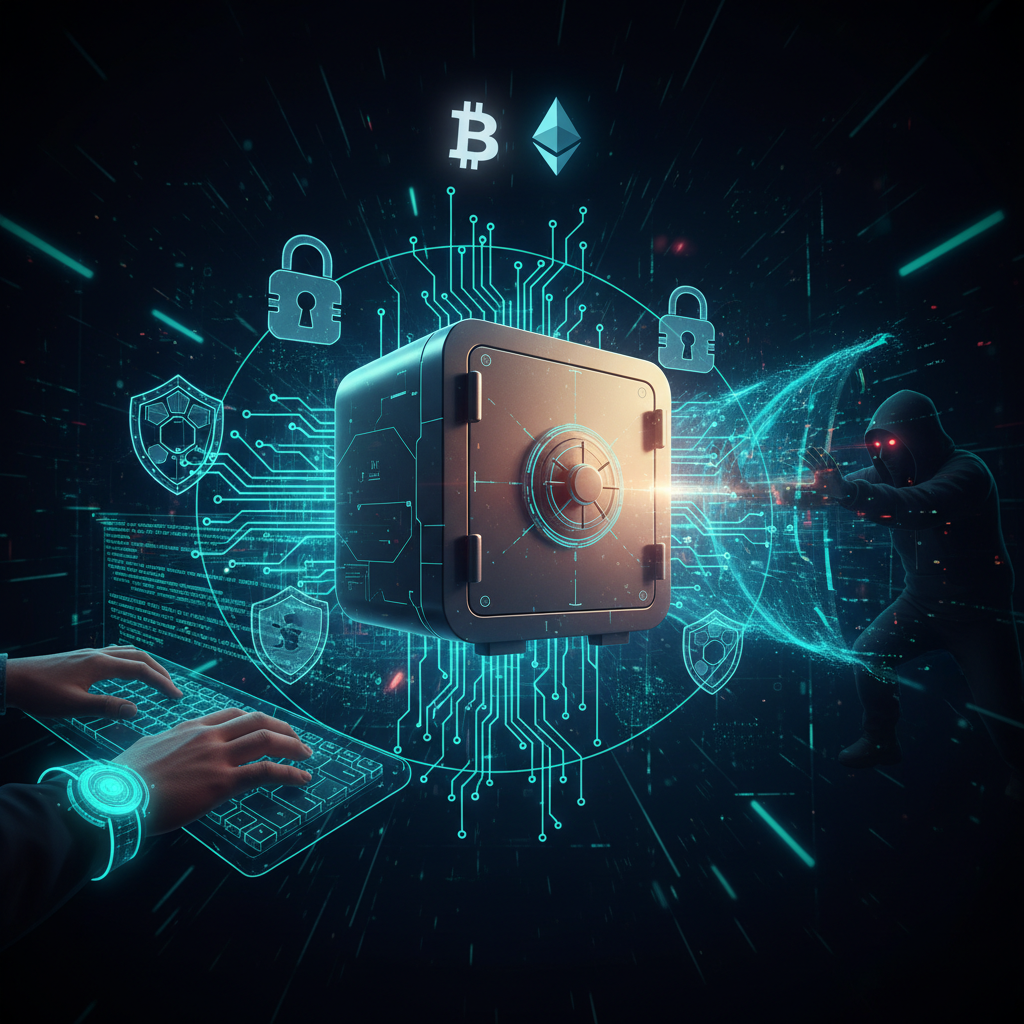
Choice and management of wallets for cryptocurrencies
The security it is essential when choosing a wallet to store cryptocurrencies, since the user is solely responsible for protecting their digital assets. There are different types of wallets depending on the user's needs.
Knowing the characteristics of each type helps reduce risks and protect your funds against possible attacks and irreversible losses in the crypto ecosystem.
It is essential to select a wallet based on frequency of use and amount stored to maximize protection.
Hot wallets vs cold wallets
The hot wallets they are connected to the Internet and facilitate frequent transactions, but are more vulnerable to cyber attacks. They are useful for managing small amounts or daily use.
On the other hand, the cold wallets they store private keys offline, increasing security against hackers. They are ideal for storing large quantities long term with minimal risk.
Devices like Ledger or Trezor are examples of cold wallets that offer a higher level of protection by keeping private keys isolated from the digital environment.
Secure retention of private keys
The private keys they are direct access to your cryptocurrencies, so their secure preservation is vital to prevent loss and theft. They should never be shared or stored in the cloud or connected devices without additional protection.
It is advisable to save them on encrypted physical media or specific hardware devices, and avoid any media that can be easily compromised by attackers.
Adopting responsible and restricted management of your private keys is an essential step to maintain the integrity and full control of your digital assets.
Security measures to protect your accounts
Protecting your cryptocurrency accounts is essential to avoid irreversible losses. Strong passwords and additional authentication form the basis of a strong defense.
Also, know and avoid common attacks like the phishing helps keep your personal data and digital assets safe from hackers.
Implementing these measures significantly reduces the risk of being a victim of fraud or unauthorized access to the crypto ecosystem.
Strong passwords and password managers
A strong password it should be unique, long, and mix letters, numbers, and symbols to make it difficult for hackers to crack. Avoid using the same password on multiple platforms.
Password managers are useful tools for storing and generating complex passwords, making them easy to use without compromising security.
By keeping your passwords up to date and secure, you significantly reduce the possibility of unauthorized access to your accounts.
Two-step authentication (2FA)
The two-step authentication adds an extra layer of security that blocks unauthorized access attempts even if the password is compromised.
Preferably, use applications such as Google Authenticator that generate temporary codes, as they are more secure than receiving codes via SMS, which can be intercepted.
Activating 2FA on all your crypto accounts and wallets is a recommended measure to protect your assets against common attacks.
Avoid phishing attacks
Phishing consists of deception to steal your credentials through fake emails or sites that pretend to be legitimate. You should be alert to suspicious messages requesting personal information.
Always check the sender's web address and authenticity before entering sensitive data. Do not click on dubious links or download untrustworthy files.
Educating yourself about phishing techniques and staying informed about new threats is key to not falling into these frequent traps.
Device security and information backup
Protecting your devices is essential to ensure access to your cryptocurrencies and avoid vulnerabilities that can be exploited by hackers.
Keeping the operating system and applications updated, along with a reliable antivirus, significantly reduces the risks of intrusion or malware.
Trading cryptocurrencies on a dedicated device limits threat exposure and avoids compromising your digital assets during common activities.
Maintenance and protection of the device
Installing recognized antivirus software and keeping your operating system up to date are essential steps to defend your device against attacks and vulnerabilities.
Avoid downloading programs or files from dubious sources, as they may contain malware designed to steal sensitive cryptocurrency-related information.
Consider using a dedicated device to manage your funds, minimizing exposure to risks from other online activities.
Making and storing backup copies
Regularly backing up your private keys and important data ensures that you can regain access in the event of device loss or damage.
Store these copies on different external and physical media, preferably using encryption to protect the information against unauthorized access.
Scattering and encrypting backups is a key practice to preserve the integrity and availability of your digital assets in unforeseen situations.
Education and updating in cybersecurity
The continuing education in cybersecurity it is vital to protect your cryptocurrencies, since the digital ecosystem changes rapidly and new threats appear constantly.
Updating security practices and emerging techniques allows users to make informed decisions and better protect their digital assets from various risks.
Constant training strengthens the ability to identify vulnerabilities and apply effective solutions to maintain the integrity of your funds.
Recognition of new threats
The world of cryptocurrencies is constantly evolving, and with it also the attackers' tactics. Recognizing new threats is essential to anticipate possible attacks.
Stay up to date with news and analysis on cyberattacks and vulnerabilities to adapt your protection methods in real time. This way you reduce significant risks.
Use trusted sources and participate in specialized forums or communities that share cryptocurrency security alerts and recommendations.
Importance of sharing knowledge
Sharing security information helps create a stronger, more prepared community. Collaboration helps more users learn and protect their assets.
Disseminating security experiences and advice encourages good collective practices and reduces the incidence of fraud that affects all participants in the ecosystem.
Additionally, exchanging knowledge helps discover new strategies and tools that benefit individual and global security in the use of cryptocurrencies.